
KEY TAKEAWAYS
- → Minor collisions can cause major sensor damage. Even small bumps that leave no visible damage can knock sensors out of alignment by millimeters, compromising safety systems like automatic braking, lane keeping, and blind spot monitoring.
- → Modern safety systems require precision calibration. Today’s sensors work within tolerances measured in millimeters and fractions of degrees—specialized equipment and manufacturer-specific procedures are essential for proper recalibration.
- → Sensor problems create dangerous cascading failures. Because vehicle systems are interconnected, one misaligned sensor can affect multiple safety features simultaneously, from cruise control to parking assistance to collision avoidance.
- → Warning signs aren’t always obvious. Phantom braking, overly sensitive parking sensors, lane assist pulling too hard in one direction, or cruise control that won’t engage can all indicate sensor calibration problems that need professional attention.
- → Choose a repair shop with proper calibration capabilities. Not all body shops have the specialized equipment and training required for modern sensor systems—ask about their certification, equipment, and documentation procedures before committing to repairs.
Imagine you’re pulling out of a parking space when you hear that unmistakable sound of contact—bumper meeting bumper. After inspecting both vehicles, everything looks surprisingly intact. No visible dents, no scratches worth mentioning, just perhaps a tiny scuff that barely shows. It’s easy to think you’ve avoided any real damage.
But here’s what you might not realize: while your car looks fine on the outside, its electronic “nervous system” could be completely out of whack. That minor tap may have just scrambled the very technology designed to keep you safe on the road.
The Invisible Revolution Under Your Hood
Today’s cars aren’t the simple machines your grandfather drove. They’ve evolved into rolling computers packed with more processing power than the spacecraft that landed on the moon. Modern vehicles bristle with an array of sensors, cameras, and radar systems that work together like an orchestra, each component playing its part to create a symphony of safety.
Consider the typical family sedan rolling off the lot today. It likely has at least eight cameras scanning the road, dozens of ultrasonic sensors monitoring nearby objects, and radar units constantly measuring distances and speeds. These aren’t luxury features anymore—they’re standard equipment that most drivers have come to rely on without even thinking about it.
The technology is remarkable when you break it down. Your car’s forward-facing camera, usually perched behind the rearview mirror, can distinguish between a child’s ball rolling into the street and a plastic bag blowing in the wind. The radar sensors tucked behind your bumper can detect a vehicle three cars ahead that’s suddenly braking, triggering your car to slow down before you’ve even noticed the problem.
But here’s the catch: all of this sophisticated technology depends on precision. These sensors aren’t just bolted on as an afterthought—they’re carefully calibrated to work within tolerances measured in millimeters and fractions of degrees. Move one slightly out of position, and the entire system’s effectiveness can be compromised.
When Physics Meets Technology
To understand why a minor fender bender can cause major tech problems, you need to think about how these systems actually work. Unlike the mechanical components in older cars that could absorb some misalignment and still function, today’s sensors operate more like precision instruments in a laboratory.
Take your lane-keeping assist system, for example. The camera responsible for this feature creates a digital map of the road ahead, identifying lane lines with remarkable accuracy. It calculates your position relative to those lines hundreds of times per second, making tiny steering corrections to keep you centered. But if that camera shifts just three millimeters to the left during a collision, it might think you’re constantly drifting right, causing it to overcorrect and actually push you toward oncoming traffic.
Radar sensors face similar challenges. These systems work by bouncing radio waves off objects and measuring how long it takes for the signal to return. The sensor can determine not just how far away something is, but also how fast it’s moving toward or away from your vehicle. This information is crucial for features like adaptive cruise control and automatic emergency braking. But radar sensors are typically aimed with the precision of a rifle scope. A bump that knocks the sensor off by just a degree or two can create blind spots or false readings that compromise your safety.
The physics gets even more complex with newer technologies like lidar, which some high-end vehicles use. Lidar creates detailed 3D maps of the environment by firing thousands of laser pulses per second and measuring their return time. A slight misalignment in a lidar sensor can cause it to map the world incorrectly, potentially missing obstacles or misidentifying the location of other vehicles.
The Domino Effect of Damaged Technology
What makes modern automotive technology particularly vulnerable is how interconnected everything has become. Your car’s various sensors don’t work in isolation—they constantly share information through a complex network of computers and control modules. When one sensor provides incorrect data, it can throw off multiple systems simultaneously.
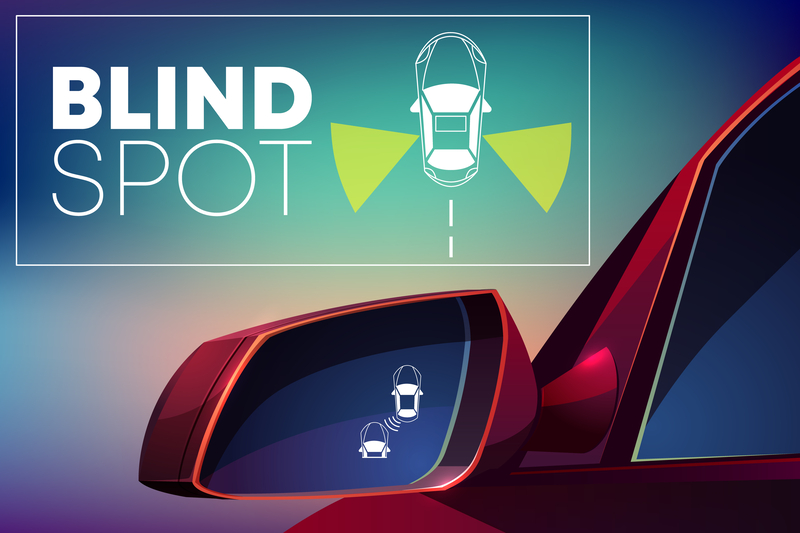
Imagine your blind spot monitoring system starts giving false readings because its radar sensor was knocked out of alignment. The error doesn’t stay contained to just that one feature. Your automatic parking system also relies on those same sensors, so it might start miscalculating distances to nearby cars. Your lane change assist feature, which combines data from multiple sensors, might become unreliable because it’s receiving conflicting information.
This interconnectedness means that what appears to be a simple problem can quickly cascade into multiple system failures. A driver might notice their cruise control won’t engage, their parking sensors are acting erratic, and their collision warning system keeps triggering false alarms—all because a single sensor was knocked slightly out of position during a minor collision.
The software that manages these systems is designed to be conservative when it detects inconsistencies. If your car’s computer can’t reconcile the information it’s receiving from different sensors, it will often disable entire safety systems rather than risk providing inaccurate assistance. This is actually a safety feature, but it means that even a small alignment issue can leave you without crucial protective technologies.
Real-World Consequences: When Safety Systems Fail
The implications of malfunctioning sensors extend far beyond dashboard warning lights. Consider Sarah, a busy mother of two who experienced a minor parking lot collision last winter. Her SUV looked fine—just a barely visible scuff on the rear bumper—so she didn’t think much of it. But over the following weeks, she noticed her car behaving strangely.
Her backup camera seemed to show objects closer than they actually were, making parking more stressful than it should be. The collision warning system would occasionally beep frantically when approaching other vehicles, even when she was maintaining a safe distance. Most concerning, her automatic emergency braking activated unexpectedly during a routine highway drive, causing her to slam on the brakes when no obstacle was present.
Each of these incidents represented a sensor system that was technically functional but no longer accurately calibrated. The backup camera’s misalignment made distance judgment unreliable. The forward collision sensor’s slight displacement caused it to misread the distance to other vehicles. What seemed like isolated glitches were actually symptoms of a systematic problem that traced back to that “minor” parking lot bump.
The scary part is that Sarah was lucky. Her car’s safety systems were failing in obvious ways that she could recognize. In other cases, sensors might fail more subtly—perhaps a blind spot monitor that misses vehicles in certain positions, or an automatic braking system that responds a fraction of a second later than it should. These kinds of hidden failures can be far more dangerous because drivers have no way of knowing their safety systems are compromised.
The Hidden Complexity of Modern Repairs
Understanding why proper sensor calibration is so critical requires appreciating just how sophisticated these systems have become. Today’s automotive sensors aren’t simple devices that can be adjusted with basic tools. They require specialized equipment and extensive technical knowledge to calibrate correctly.
Professional calibration typically involves two distinct processes. Static calibration takes place in the repair shop using precisely positioned targets and specialized diagnostic equipment. The process might involve hanging specific patterns and shapes at exact distances from the vehicle, then using manufacturer software to teach the sensors to recognize these reference points.
Dynamic calibration, on the other hand, requires actually driving the vehicle under controlled conditions while the car’s computers relearn the characteristics of their sensors. This process might involve driving at specific speeds on particular types of roads while the system samples data from multiple sensors and adjusts their baseline measurements.
Both types of calibration require equipment that can cost a repair shop tens of thousands of dollars, along with training that takes technicians weeks to complete. Different vehicle manufacturers often require different procedures and equipment, making the calibration process even more complex. A shop that can properly calibrate Honda’s sensing systems might not have the tools or knowledge needed for BMW’s assistance technologies.
The Economics of Hidden Damage
The financial implications of sensor misalignment go far beyond the immediate repair costs. Insurance companies are beginning to recognize that proper sensor calibration isn’t optional—it’s a necessary part of any collision repair that ensures the vehicle is returned to safe operating condition.
Some insurers now require documentation of sensor calibration before they’ll close a claim, even for minor accidents. This requirement exists because they understand the liability risk of a vehicle with compromised safety systems. If a car’s automatic emergency braking fails to prevent an accident because it wasn’t properly calibrated after a previous collision, the insurance company could face significant liability claims.
The resale value implications are equally significant. As more buyers become aware of the importance of properly functioning safety systems, vehicles with undocumented sensor issues are becoming harder to sell. Some manufacturers now track calibration history through their diagnostic systems, meaning a potential buyer can discover whether proper procedures were followed after any collision.
For lease vehicles, the consequences can be particularly severe. Leasing companies increasingly inspect sensor systems when vehicles are returned, and any evidence of improper calibration or undocumented collisions can result in significant charges to the lessee.
Recognizing the Warning Signs
Knowing what to watch for after any collision, no matter how minor, can help drivers identify sensor problems before they become dangerous. The most obvious signs are dashboard warning lights related to safety systems, but the symptoms can be much more subtle.
Phantom braking—when your car slows down or stops for no apparent reason—is one of the most common indicators of sensor problems. This can happen when a forward-facing sensor misinterprets shadows, road markings, or overhead signs as obstacles. While modern cars are designed to err on the side of caution, frequent false alarms indicate a system that’s not working properly.
Lane assistance systems that pull the car too strongly in one direction, or that don’t activate when they should, often indicate camera misalignment. Similarly, parking sensors that beep constantly when no obstacles are present, or that fail to detect objects that are clearly there, usually need recalibration.
Cruise control systems that won’t activate, or that disengage unexpectedly, can also indicate sensor problems. These systems rely on multiple sensors working in coordination, so they’re often among the first features to be disabled when the car’s computers detect inconsistent data.
Even more subtle signs might include changes in how your car’s automatic high beams behave, variations in the sensitivity of your rain-sensing wipers, or differences in how your automatic climate control responds to sunlight. All of these systems rely on sensors that can be affected by even minor collisions.
The Professional Difference
Choosing the right repair facility after a collision involving sensor-equipped vehicles requires understanding the difference between traditional body work and modern automotive repair. Not all shops have invested in the equipment and training necessary to properly service today’s complex vehicles.
A qualified facility will begin any repair with a comprehensive diagnostic scan that goes far beyond checking for obvious damage. This pre-repair scan establishes a baseline of your vehicle’s current condition and identifies any existing problems that might not be immediately apparent. Many issues that seem to develop after a repair were actually present before but went unnoticed.
During the repair process, technicians trained in modern automotive technology understand that removing and reinstalling components can affect sensor alignment even when the parts themselves aren’t damaged. They follow specific procedures designed to minimize disruption to these sensitive systems and know when calibration will be required.
Post-repair scanning and calibration isn’t a one-size-fits-all process. Different manufacturers have different requirements, and these procedures are constantly evolving as new technologies are introduced. A shop that stays current with these developments will have access to the latest diagnostic tools and calibration procedures for your specific vehicle.
Quality facilities also understand the importance of documentation. They’ll provide detailed records of the diagnostic procedures performed, any calibrations completed, and verification that all systems are operating within manufacturer specifications. This documentation isn’t just useful for your records—it may be required for insurance claims, warranty coverage, or future resale.
Looking Toward the Future
The trend toward increased automotive technology shows no signs of slowing down. In fact, the next generation of vehicles will likely be even more dependent on sensor technologies. Self-driving capabilities, vehicle-to-vehicle communication systems, and enhanced artificial intelligence features will make proper sensor calibration even more critical.
Some manufacturers are already implementing self-diagnostic systems that can detect certain types of sensor misalignment and alert drivers to the need for recalibration. However, these systems aren’t foolproof, and professional verification will likely remain necessary after any collision.
The automotive repair industry is adapting to these changes, but the transition isn’t happening uniformly. Drivers need to be proactive in ensuring their vehicles receive appropriate care from qualified professionals who understand the complexities of modern automotive technology.
Taking Action: Protecting Your Investment and Your Safety
If you’ve experienced any collision, regardless of how minor it appeared, having your vehicle’s sensors professionally inspected isn’t just good practice—it’s essential for your safety and financial protection. The cost of proper diagnosis and calibration is minimal compared to the potential consequences of compromised safety systems.
Don’t rely on the absence of warning lights as proof that everything is working correctly. Many sensor problems don’t trigger obvious alerts, and some systems are designed to disable themselves rather than provide unreliable assistance.
When choosing a repair facility, ask specific questions about their sensor calibration capabilities. Do they have the proper equipment for your vehicle’s make and model? Are their technicians trained and certified to work on your car’s specific safety systems? Can they provide documentation of the calibration procedures they’ve performed?
Your car’s safety systems are only as reliable as their most recent calibration. In today’s world of intelligent vehicles, ensuring that calibration is accurate isn’t just about maintaining your car’s functionality—it’s about protecting yourself, your passengers, and everyone else sharing the road with you.
The next time you experience a seemingly minor collision, remember that what you can’t see might be more important than what you can. Your sensors might be lying to you, and the only way to know for sure is to have them professionally checked by qualified technicians who understand the critical importance of precision in automotive safety technology.