
If you’ve recently been in an accident, one of the first questions that comes to mind is simple: “How much is this going to cost me?”
It’s a fair question—but not an easy one to answer with a single number.
Two vehicles can come in with damage that looks nearly identical, yet the final repair costs can be completely different. That’s because collision repair isn’t just about what you can see on the surface. It’s about everything happening underneath, behind, and throughout the vehicle.
This guide breaks it all down in a clear, straightforward way so you know exactly what goes into a collision repair estimate—and what to expect before you commit to anything.
Why Collision Repair Costs Can Vary So Much
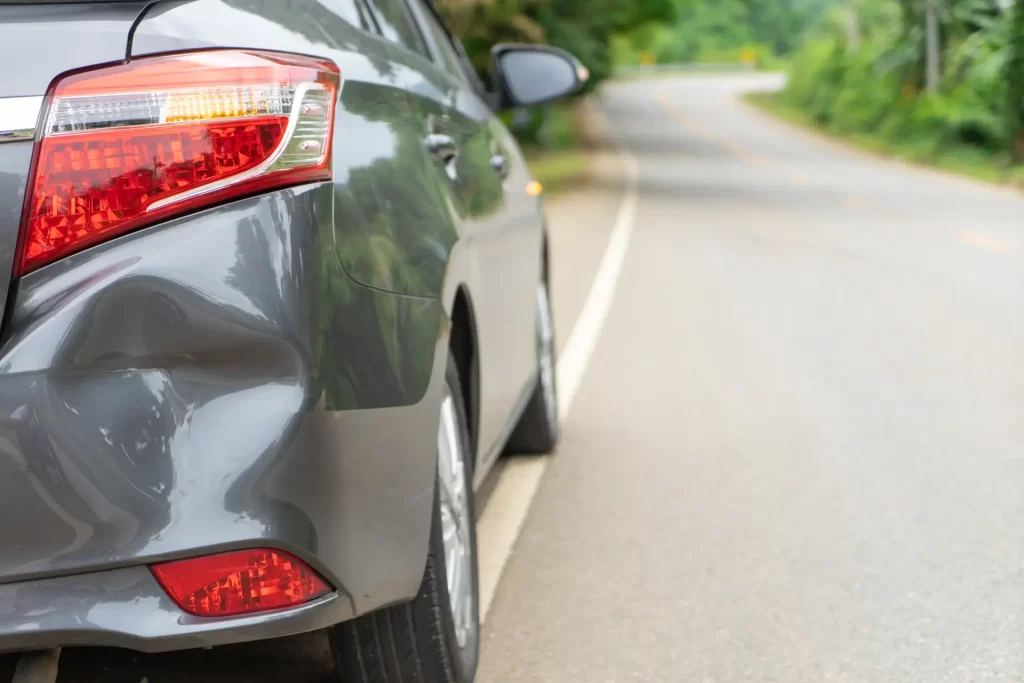
At first glance, a dented bumper or scraped panel might seem like a quick fix. But modern vehicles are far more complex than they used to be.
Behind that bumper could be sensors, brackets, wiring, or structural components that all need to be inspected—and sometimes repaired or replaced.
That’s why one estimate might come in at a few hundred dollars, while another reaches into the thousands for what appears to be similar damage.
It’s not inconsistency—it’s complexity.
Quick Summary: What Affects Collision Repair Costs
Before we dive deeper, here’s a simple breakdown of the biggest factors:
- The type and severity of damage
- The parts used (OEM, aftermarket, or recycled)
- The labor required and repair complexity
- Paint and refinishing work
- Sensors and technology that need recalibration
- Frame or structural damage
- Hidden damage discovered during repair
Each of these plays a role in shaping your final estimate.
The Biggest Factors That Affect Collision Repair Costs
1. Type and Severity of Damage
Not all damage is created equal.
A small dent or scratch might be purely cosmetic, while a similar-looking impact could affect deeper components. What matters most is how far the damage extends beyond the surface.
Even minor collisions can lead to:
- Misaligned panels
- Damaged mounting points
- Internal component issues
That’s why a proper inspection is always the first step.
2. Parts: OEM vs Aftermarket vs Recycled
One of the biggest cost variables comes down to the parts used in the repair.
- OEM (Original Equipment Manufacturer) parts are made by the vehicle’s manufacturer
- Aftermarket parts are made by third-party companies and often meet high quality standards
- Recycled parts are salvaged from other vehicles and can be a cost-effective option
Each option has its place, and the choice can significantly affect your estimate. In many cases, insurance companies will influence which parts are approved.
3. Labor and Repair Complexity
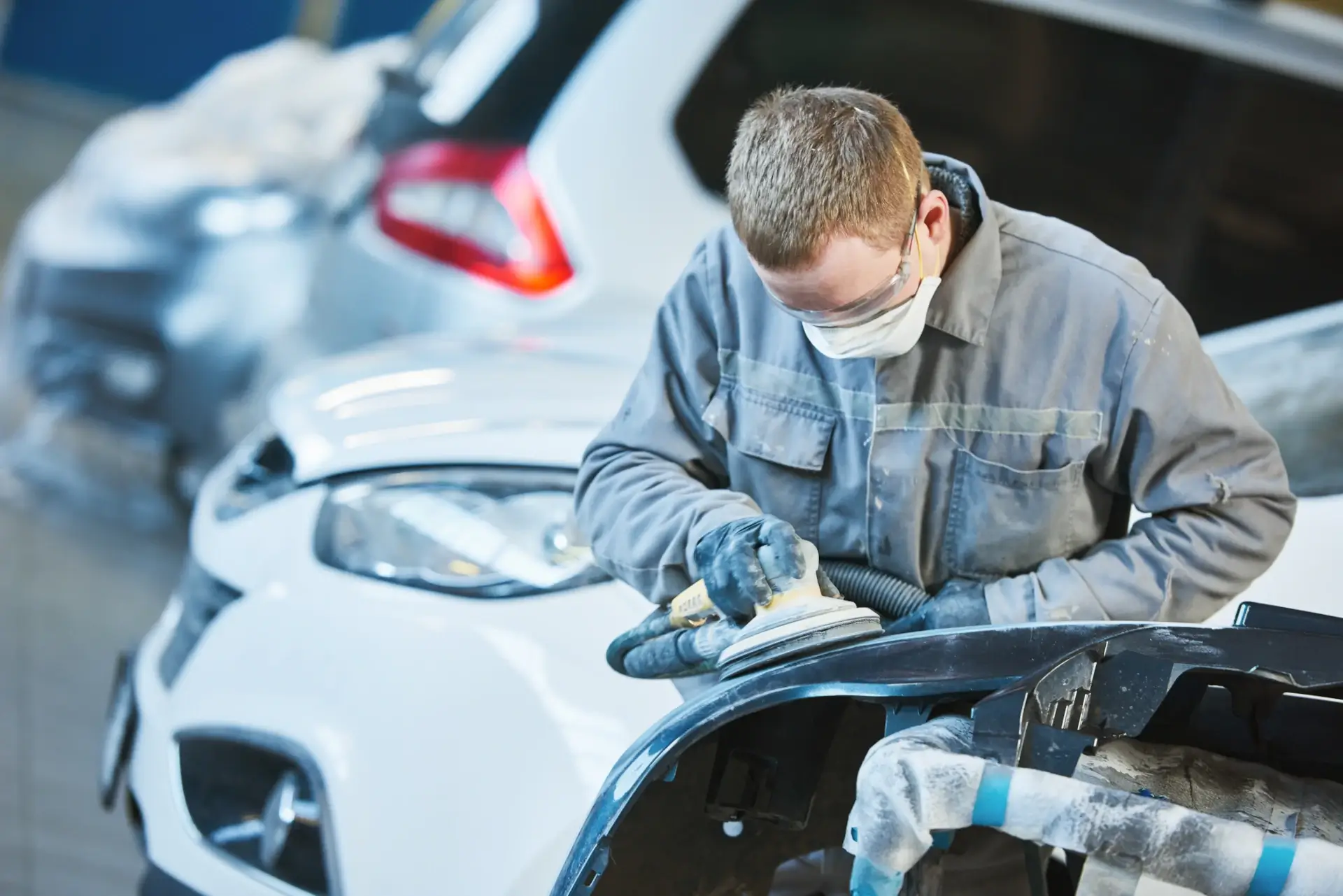
Collision repair isn’t just about replacing parts—it’s about restoring your vehicle properly.
Some repairs require:
- Careful disassembly
- Precision alignment
- Skilled reassembly
Modern vehicles are designed with tight tolerances, which means even small repairs can require a high level of expertise and time.
4. Paint and Refinishing Work
Paint work is more involved than many people expect.
Matching your vehicle’s exact color requires:
- Blending paint across multiple panels
- Accounting for fading and wear
- Applying multiple layers for durability and finish
Even a small repair area may require work beyond the immediate damage to ensure everything looks seamless.
5. Advanced Technology and Sensors
Today’s vehicles are packed with technology—cameras, sensors, radar systems—all working together to keep you safe.
After a collision, these systems often need:
- Inspection
- Adjustment
- Full recalibration
This is one of the biggest reasons newer vehicles tend to cost more to repair, even after minor accidents.
6. Frame and Structural Damage
When damage reaches the structural components of your vehicle, the repair becomes more complex.
Frame repairs involve:
- Precision measuring
- Specialized equipment
- Careful realignment
This type of work is critical for safety and can significantly impact both cost and repair time.
Hidden Costs Most Drivers Don’t Expect
One of the biggest surprises for many drivers is something called a supplement.
This happens when additional damage is discovered after the repair process begins. It’s not uncommon, especially since some areas can’t be fully inspected until parts are removed.
Other unexpected factors can include:
- Additional labor time
- Sensor recalibration
- Delays due to parts availability
A good shop will communicate these clearly as they come up.
Why Estimates Can Differ Between Shops
It’s normal to get different estimates from different shops—but understanding why matters.
Differences can come from:
- The type of parts being quoted
- How thorough the inspection is
- The repair approach being recommended
A lower estimate doesn’t always mean a better deal. In some cases, it may mean something has been overlooked or simplified.
The goal should always be accuracy and quality, not just the lowest number.
Insurance vs Out-of-Pocket: What Changes?
Whether you go through insurance or pay out-of-pocket can also affect your estimate.
With insurance:
- Your deductible plays a role
- The insurance company may guide parts selection
- Approvals can affect timing
In some situations—especially with minor damage—it may make sense to handle repairs without filing a claim. Every situation is different, so it’s worth understanding your options.
Note: Coverage and claim decisions can vary based on your policy and local regulations. It’s always a good idea to review your policy or speak directly with your insurance provider.
How to Get an Accurate Collision Repair Estimate
If you want the most accurate estimate possible, a little preparation goes a long way.
Here’s what helps:
- Take clear photos of the damage
- Be ready to explain what happened
- Schedule an in-person inspection when possible
While online estimates can be helpful, they often miss details that only show up during a hands-on inspection.
A complete estimate should clearly outline:
- Parts
- Labor
- Paint work
- Any potential additional steps
How Long Does Collision Repair Take? (And Why It Affects Cost)
Time and cost are closely connected.
Repairs can take longer due to:
- Parts availability
- Insurance approvals
- Complexity of the damage
More time often means more labor, and that can impact the final cost. That said, rushing a repair is never the goal—doing it right is.
Tips to Avoid Overpaying (Without Cutting Corners)
If you’re trying to manage costs without sacrificing quality, here are a few things to keep in mind:
- Choose a shop that explains the process clearly
- Ask questions about parts and repair methods
- Don’t feel pressured to make a quick decision
- Focus on value, not just price
The right repair protects both your vehicle and your safety.
The Bottom Line: What You Should Really Expect
There’s no universal price for collision repair—and that’s not a bad thing.
What matters is understanding why costs vary and knowing what you’re paying for.
When you have that clarity, you’re in a much better position to make the right decision for your vehicle.
KEY TAKEAWAYS
- There’s no one-size-fits-all price for collision repair. Costs vary widely based on damage severity, parts used, labor, and the complexity of modern vehicle systems.
- What you see isn’t always the full picture. Hidden damage, internal components, and structural issues often aren’t visible until repairs begin.
- Modern vehicles are more expensive to repair for a reason. Sensors, cameras, and advanced safety systems frequently require inspection and recalibration after a collision.
- Estimates can differ based on approach—not just price. Differences in parts, inspection depth, and repair methods can lead to varying quotes between shops.
- A thorough inspection leads to better decisions. Getting a complete, professional estimate helps you understand your options and avoid unexpected costs later.
Need Help Understanding Your Estimate?
If you’re looking at an estimate and not quite sure what it all means, you’re not alone.
A reputable collision repair shop should be willing to walk you through:
- What needs to be repaired
- Why it matters
- What your options are
Clear communication makes all the difference—and helps you move forward with confidence.