Honda & Acura Certified Collision Repair
Manufacturer-focused collision repair backed by required training, repair information, tools, equipment and ongoing program standards.
Atomize Collision & Customs helps Honda and Acura owners understand the damage, the repair plan and the steps needed to return modern vehicle systems to proper operation.
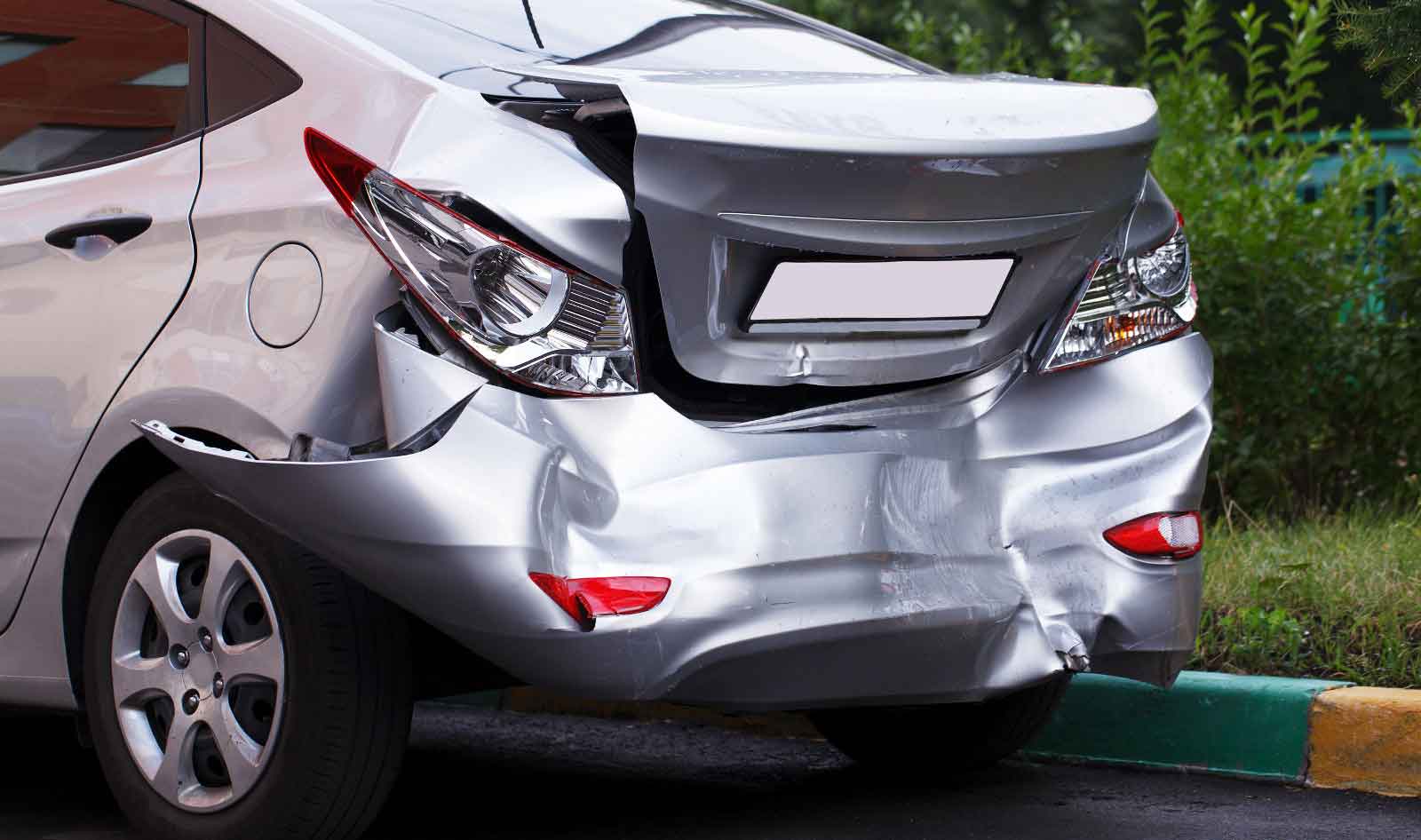
Your Honda or Acura Is More Than the Damage You Can See
A bumper, fender or door may look like a straightforward repair, but today’s Honda and Acura vehicles can include high-strength structural materials, electronic control modules, cameras, radar units, restraint components and model-specific repair requirements. As a Honda and Acura Certified Collision facility, Atomize Collision & Customs has made a documented commitment to the training, equipment, repair information and facility standards required by American Honda.
Certification Is a Standard, Not a Marketing Phrase
The Honda and Acura Certified Collision program requires participating facilities to maintain I-CAR Gold Class recognition, complete role-specific Honda and Acura training, maintain required tools and equipment, meet customer-care and facility standards, and pass recurring independent inspections. Certified facilities also receive access to Honda and Acura service and collision repair information.
For you, that means the repair starts with more than general auto body experience. It starts with the exact vehicle, the areas damaged, the systems affected and the repair information that applies to that model and year.
Learn more about the official Honda and Acura Certified Collision program.
Honda & Acura Certified
Program standards address training, equipment, repair information, facility operations and customer care.
Repair Information Access
Vehicle-specific repair research helps identify procedures, materials, measurements and precautions.
Modern Systems Focus
Repair planning can include scanning, inspections, resets, aiming and calibration when required.
Insurance Claim Help
We document the repair and communicate additional damage or required procedures during the claim.
Atomize Collision & Customs provides certified Honda and Acura collision repair at 1705 Reinhardt College Pkwy in Canton, GA. We help with minor accident damage, major body repairs, structural repairs, paint refinishing and insurance-related collision work.
Certification does not mean every repair is identical. A Civic, CR-V, Pilot, RDX and MDX can have different materials, electronics, body construction and repair procedures. Our job is to build a repair plan around the vehicle in front of us rather than treating every damaged panel the same way.
Start With Your Vehicle
Tell us the year, model, area of damage and whether an insurance claim is involved.
Phone: (770) 720-2066
Hours:
Monday-Friday: 8am-5pm
What Honda & Acura Certification Requires
American Honda’s program is built around specific operational and technical requirements. These standards help separate a certified collision facility from a shop that simply advertises that it repairs Honda and Acura vehicles.
Program standards include:
- Maintaining I-CAR Gold Class recognition
- Honda and Acura training for estimators and technicians
- Required collision repair tools and equipment
- Access to current Honda and Acura repair information
- Facility cleanliness, safety and security standards
- A customer-care and follow-up system
- Documented repair and communication processes
- Recurring independent facility inspections
Role-Specific Training
Estimators, structural technicians and non-structural technicians have different responsibilities. The certification program requires Honda and Acura training that addresses areas such as high-strength steel, restraints, electrical systems, driver-assistance technology and collision repair considerations.
Required Equipment
Correct repair procedures only help when a facility also has the tools and equipment needed to perform and verify the work. Program requirements include equipment for body, structural, measuring, welding, refinishing, safety and documentation tasks.
Ongoing Verification
Certification is not simply earned once and forgotten. Participating facilities must continue meeting program standards and undergo recurring third-party inspections to remain qualified.
Why Honda and Acura Repairs Can Be Different
The visible dent is only one part of the repair. The repair plan may also need to account for body construction, electronics, corrosion protection, restraint systems and the exact procedures published for the vehicle.
High-Strength Materials
Honda and Acura vehicles may use multiple grades of high-strength steel and, on some models or components, aluminum. Repair limits, heat restrictions, sectioning locations and joining methods can vary by part and model.
Joining & Corrosion Protection
Welds, rivets, adhesives, seam sealers and corrosion protection are not interchangeable details. The repair procedure helps determine how a component should be attached and how repaired areas should be protected.
Restraints & Occupant Protection
Seat components, sensors, airbags, pretensioners and surrounding structures can require inspection or replacement after a collision. These decisions should be based on damage and vehicle-specific information, not appearance alone.
Electronics & Stored Faults
A vehicle can store diagnostic trouble codes without illuminating a dashboard warning light. Collision forces, disconnected components and low voltage can all affect electronic systems in ways a visual inspection cannot confirm.
Driver-Assistance Systems
Cameras and radar used by Honda Sensing and AcuraWatch systems may be mounted near bumpers, windshields, mirrors or body panels. Certain repairs can trigger inspection, aiming or calibration requirements.
Paint & Finish Requirements
A proper repair also includes color evaluation, surface preparation, corrosion protection, refinishing and final inspection so repaired areas look consistent and remain protected.
A Warning Light Is Not the Only Test
American Honda states that the presence or absence of dashboard warning lights is not an acceptable way to decide whether post-collision scanning is needed. For qualifying collision damage, current Honda guidance calls for preliminary and post-repair diagnostic scans, with inspections, aiming or calibration added when the vehicle and repair procedures require them.
Our Honda & Acura Collision Repair Process
The exact repair varies by vehicle and damage, but a strong process makes sure important questions are addressed before the vehicle is returned.
Vehicle & Damage Identification
We record the VIN, model, options, visible damage and claim information so the repair plan is tied to the correct vehicle configuration.
Estimate, Scan & Repair Research
The initial plan can include diagnostic scanning and research into applicable Honda or Acura repair procedures, parts, materials and system requirements.
Disassembly & Hidden Damage Review
Removing damaged parts can reveal broken brackets, absorbers, wiring, sensors, structural damage or related items that were not visible during the first inspection.
Body, Structural & Parts Repair
Damaged components are repaired or replaced using the repair plan, applicable procedures and required joining, measuring and corrosion-protection steps.
Refinish, Reassembly & System Procedures
After paint and reassembly, required resets, inspections, scans, aiming or calibrations are performed or coordinated based on the vehicle and repair.
Final Quality Review
We inspect appearance, panel fit, completed repair operations and available documentation before preparing the vehicle for delivery.
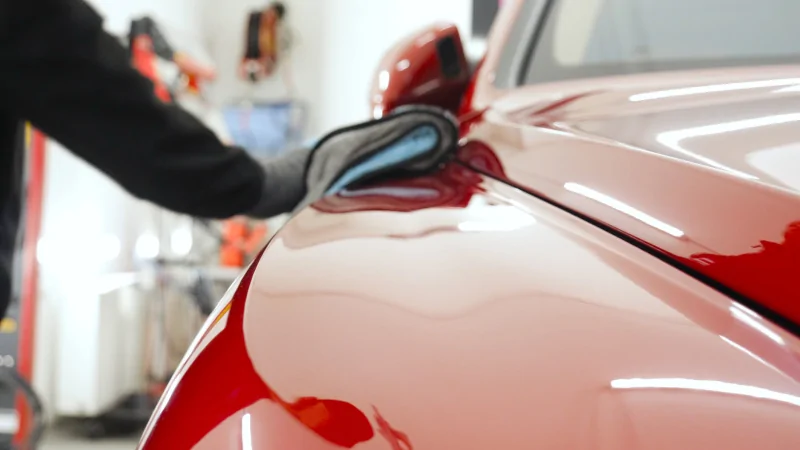
The final result depends on the details, including repair procedures, fit, finish, system checks and quality inspection.
Scanning, Aiming & Calibration After a Collision
Modern Honda and Acura vehicles use interconnected electronic systems. Some repair operations can affect cameras, radar, steering inputs, occupant sensors and other components even when the damage appears limited to one area.
Pre-Repair Diagnostic Scan
A preliminary scan can identify diagnostic trouble codes and affected systems during repair planning. This helps prevent electronic issues from being overlooked simply because no warning light is visible.
Post-Repair Diagnostic Scan
A post-repair scan helps confirm that components are connected and operating without remaining diagnostic trouble codes after body parts or electrical components have been repaired, removed or replaced.
ADAS Aiming & Calibration
Depending on the model and repair, systems such as adaptive cruise control, collision mitigation braking, lane support, blind-spot monitoring and multi-view cameras may require inspection, aiming or calibration.
Vehicle-Specific Decisions
Calibration is not based on guesswork or a one-size-fits-all checklist. Requirements can depend on the damaged area, components removed, wheel alignment, glass replacement, body measurements and published procedures.
Concerned About Sensors After an Accident?
Tell us where the vehicle was hit, which warning messages appeared and what parts were damaged. We can review the vehicle and explain the next step.
Call (770) 720-2066 Send Vehicle PhotosHonda & Acura Models We Repair
Atomize Collision & Customs works on a wide range of Honda and Acura vehicles. Repair requirements still vary by model year, equipment and damage, so contact us with your VIN or complete vehicle information.
Honda Collision Repair
Accord Civic CR-V HR-V Pilot Passport Odyssey Ridgeline PrologueWe also help with older and less common Honda models. Contact us to discuss your vehicle, including hybrid or electric model repair needs.
Acura Collision Repair
Integra TLX RDX MDX ZDX ILX TL TSXFrom current Acura models to earlier vehicles still on North Georgia roads, we can review the damage and determine the appropriate repair path.
Insurance Claims, Parts & Repair Documentation
A certified repair plan can involve more detail than the first insurance estimate shows. We help explain the repair side of the claim and document additional needs as the vehicle is inspected and disassembled.
Insurance Communication
We can communicate with the insurer about repair-related questions, estimates, photographs, supplements and additional damage identified during the process. Claim and coverage decisions remain subject to the policy and insurer.
Parts Decisions
Parts selection can depend on the vehicle, the damaged component, published repair information, availability, insurance coverage and customer authorization. We explain what is included in the repair plan instead of making a blanket promise.
Supplements After Disassembly
Hidden damage is common after a collision. When additional parts, labor or required procedures are identified, the estimate may need to be updated and submitted as a supplement.
A Lower Initial Estimate Is Not Always a Complete Repair Plan
The first estimate may be based mainly on visible damage. Certification-focused repair planning looks deeper at the vehicle, including hidden components, repair procedures, scans, calibrations, materials, corrosion protection and related systems that may affect the completed repair.
Certified Honda & Acura Repair Near Canton
Atomize Collision & Customs serves Honda and Acura owners throughout Canton, Cherokee County and nearby North Georgia communities. Whether the damage happened on a local road, in a parking lot or during a longer commute, our team can help you understand what comes next.
Canton • Ball Ground • Jasper • Waleska • Holly Springs • Keithsburg • Buffington • Sutallee • Cherokee County
Visit us at 1705 Reinhardt College Pkwy, Canton, GA 30114, or call (770) 720-2066.
Why Drivers Choose Atomize
Honda and Acura Certified Collision
I-CAR Gold Class
Local collision repair in Canton
Insurance claim assistance
Body, structural and paint repair
Read more about Atomize, view customer reviews, or see examples in our repair gallery.
Honda & Acura Collision Repair FAQs
These answers explain common certification, scanning, calibration, parts and insurance questions.
What does Honda and Acura Certified Collision mean?
The American Honda program requires participating facilities to maintain I-CAR Gold Class recognition, complete role-specific Honda and Acura training, maintain required tools and equipment, meet facility and customer-care standards, and complete recurring third-party inspections.
Does my Honda or Acura need diagnostic scans after a collision?
American Honda’s current position calls for preliminary and post-repair scans for vehicles involved in a collision as Honda defines it. Some repairs also require inspections, aiming, resets or calibrations based on the vehicle and repair procedures.
Will Honda Sensing or AcuraWatch systems need calibration?
Possibly. Camera, radar, blind-spot, lane-support, braking and other systems may require inspection, aiming or calibration after certain repairs, part replacements, alignments or component removal.
Will you use genuine Honda or Acura parts?
Parts selection depends on the vehicle, damage, repair procedures, availability, insurance coverage and customer authorization. We explain the repair plan and document parts or procedures needed for the repair.
Can Atomize help with my insurance claim?
Yes. We can prepare repair documentation, communicate with the insurer about repair-related items and update the estimate when hidden damage or additional procedures are identified.
Do I need to use a dealership for collision repair?
No. A Honda and Acura Certified Collision facility is specifically trained and equipped for collision repair and receives access to American Honda repair information and program resources.
Which Honda and Acura models do you repair?
We repair many Honda and Acura cars, crossovers, SUVs, vans and trucks, including the Civic, Accord, CR-V, Pilot, Odyssey, Ridgeline, Integra, TLX, RDX and MDX. Contact us with your model and damage details.
How do I start an estimate?
Call (770) 720-2066 or use our online estimate form to provide vehicle details and photos. We will review the information and explain the next step.
Request a Honda or Acura Collision Repair Estimate
Have accident damage, warning messages, bumper damage, paint damage or an insurance claim? Contact Atomize Collision & Customs in Canton, GA. Tell us about your vehicle and we will help you understand the repair process.
Call (770) 720-2066 Get an Estimate Contact Our Shop