
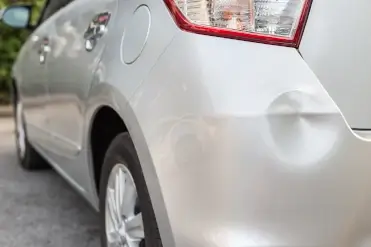
A small dent. A scraped bumper. A parking-lot mishap that leaves your vehicle looking worse than it felt.
For most drivers, the first question isn’t what happened—it’s “Should I file an insurance claim for this?”
It sounds like a simple decision. Insurance exists for accidents, right? But when damage is minor, filing a claim isn’t always the obvious—or best—move. In fact, many drivers don’t realize how that decision can affect their vehicle, their insurance history, and even future costs long after the repair is done.
Let’s break down what most people don’t hear until it’s too late.
What Counts as “Minor” Collision Damage?
When people say minor damage, they usually mean something cosmetic:
- Small dents or dings
- Scratches or paint scuffs
- Cracked or scraped bumpers
- Light panel damage without obvious structural impact
And visually, that might be all there is. But here’s the important distinction: minor-looking damage isn’t always minor damage.
Modern vehicles are built with:
- Impact-absorbing bumper systems
- Sensors hidden behind panels
- Precise mounting points designed to crumple in specific ways
A low-speed impact can still affect components you can’t see—especially on newer vehicles. That’s why “minor” is often a visual description, not a mechanical one.
When Filing an Insurance Claim Does Make Sense
There are situations where filing a claim is the right move—even if the damage doesn’t look severe.
You should seriously consider involving insurance if:
- The repair cost is clearly higher than your deductible
- Structural components may be involved
- Warning lights, sensors, or driver-assist systems were triggered
- There’s visible damage near impact zones or mounting points
- You’re unsure whether the vehicle is safe to drive
Insurance exists to protect you from unexpected costs. When safety or major repair expenses are involved, using it is often the responsible choice.
When Paying Out of Pocket May Be the Smarter Option
Here’s the part many drivers don’t hear upfront.
If the repair cost is close to—or below—your deductible, filing a claim may not provide much financial benefit. In some cases, it can cost more in the long run.
Out-of-pocket repairs can make sense when:
- Damage is cosmetic only
- The estimate is similar to your deductible
- You want to avoid adding a claim to your vehicle’s history
- The vehicle is older and you’re focused on practicality
- You want flexibility in how and when repairs are completed
Paying directly doesn’t mean cutting corners. It simply means you stay in control of the decision, rather than automatically triggering a claim that follows the vehicle.
How Insurance Claims Can Affect Your Vehicle Long-Term
This is where many drivers get caught off guard.
Claim History and Resale Value
Even minor claims can show up on vehicle history reports. While not every repair impacts resale the same way, a documented collision—even a small one—can influence buyer perception down the road.
Future buyers don’t always differentiate between “minor” and “major” when they see an accident on record.
Premiums and Future Coverage
Insurance companies look at patterns, not just single events. While one claim doesn’t guarantee higher premiums, multiple claims—especially small ones—can affect:
- Future rates
- Eligibility for certain discounts
- How future claims are evaluated
It’s not about punishment. It’s about risk assessment.
The Hidden Risk of Assuming Damage Is Minor
Here’s the most common mistake: judging damage by appearance alone.
Behind a bumper cover, a small impact can:
- Shift reinforcement bars
- Damage energy absorbers
- Affect alignment or suspension geometry
- Knock sensors slightly out of calibration
Modern vehicles rely heavily on precise measurements. A component that’s off by a few millimeters can cause long-term issues—even if the vehicle still drives “fine” today.
That’s why ignoring minor damage isn’t always harmless. What looks like a cosmetic issue now can turn into uneven tire wear, warning lights, or safety system malfunctions later.
Why a Professional Inspection Matters Before You Decide
You don’t need to commit to an insurance claim to get answers.
A professional inspection helps determine:
- Whether damage is truly cosmetic
- If underlying components were affected
- What repairs are actually needed—not just what’s visible
- Whether filing a claim makes financial sense
Think of it as gathering information before making a decision that can’t be undone.
Once a claim is filed, it exists—whether you move forward with repairs or not.
Can You Get an Estimate Without Filing a Claim?
Yes. And many drivers don’t realize this.
Getting an estimate or inspection does not automatically notify your insurance company. It simply gives you clarity.
That clarity helps you decide:
- Claim or out-of-pocket
- Repair now or later
- Cosmetic fix or full restoration
Knowledge puts you in control—not pressure.
Common Myths About Minor Damage and Insurance Claims
“Insurance is always the safest option.”
Sometimes it is. Sometimes it isn’t. The safest option is the one based on facts—not assumptions.
“Minor damage doesn’t affect safety.”
In modern vehicles, safety systems are interconnected. Small impacts can still matter.
“If it looks fine, it probably is.”
Appearance doesn’t tell the full story—especially after low-speed collisions.
Making the Right Call for Your Vehicle
There’s no universal answer to whether you should file an insurance claim for minor damage. Every situation is different—vehicle age, damage type, deductible, and long-term plans all play a role.
The most important step isn’t choosing insurance or paying out of pocket.
It’s making an informed decision before committing either way.
A quick inspection can prevent surprises, protect your vehicle’s value, and help you avoid unnecessary consequences down the road.
If you’re unsure, asking questions early—before damage worsens or decisions are locked in—is always the smarter move.
KEY TAKEAWAYS
- Minor-looking damage isn’t always minor. Modern vehicles hide sensors, mounting points, and structural components behind panels—what looks cosmetic may affect safety or performance.
- Filing an insurance claim isn’t always the best first step. If repair costs are close to your deductible, paying out of pocket can sometimes avoid unnecessary claim history and long-term consequences.
- Insurance claims can impact more than just the repair. Even small claims may affect resale value, future premiums, or how your vehicle is viewed in accident reports.
- You can get an estimate without committing to a claim. A professional inspection helps you understand the true scope of damage before deciding whether to involve insurance.
- Informed decisions protect your vehicle long-term. Taking time to assess damage properly can prevent hidden issues, unexpected costs, and regret later on.
Not sure which option makes sense for your vehicle?
Before filing a claim or paying out of pocket, it helps to understand what’s actually going on beneath the surface. At Atomize Collision & Customs, we offer honest inspections and clear explanations so you can make the right decision for your vehicle—without pressure.