
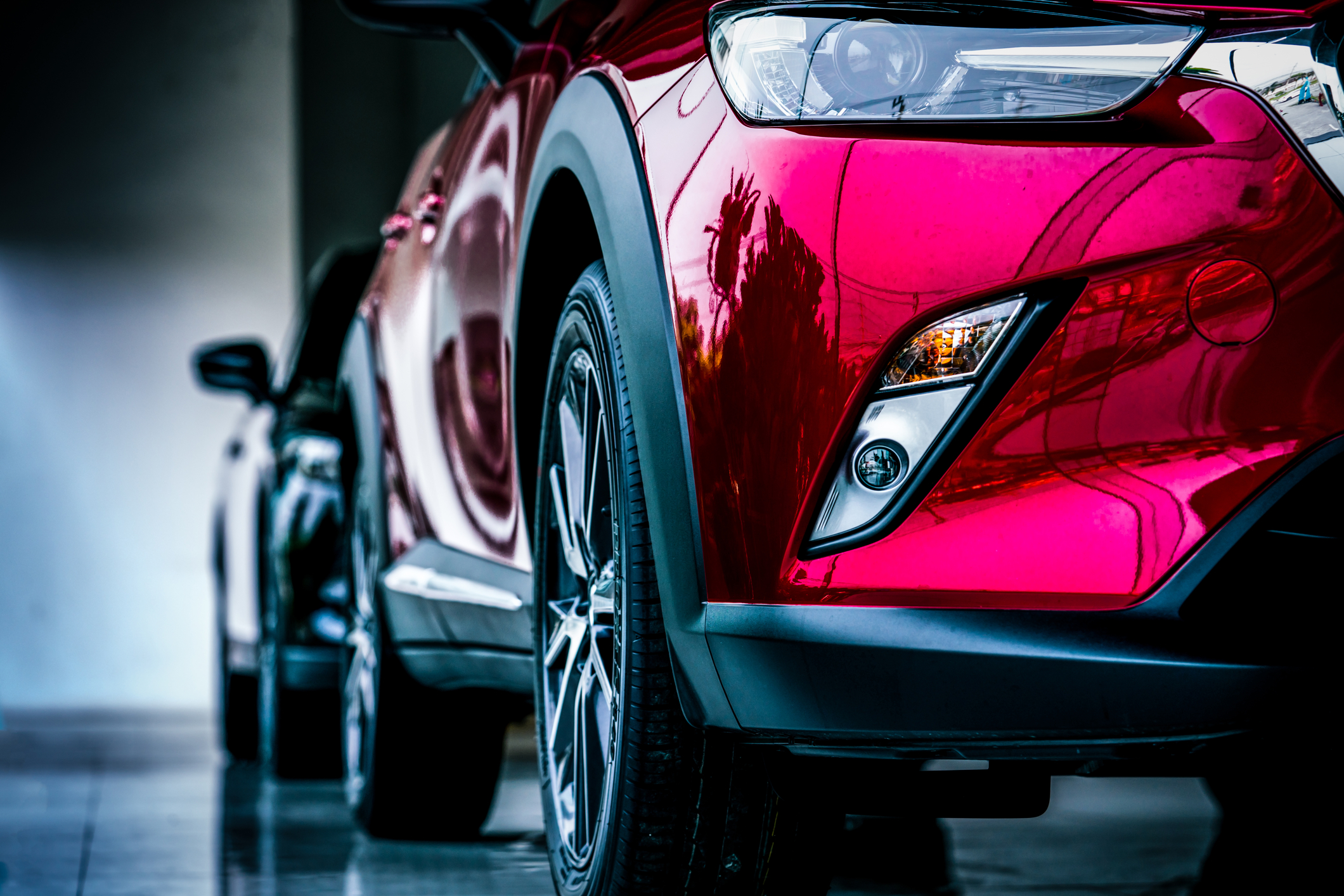
If you’ve ever looked at damage on your vehicle and thought, “It doesn’t look that bad…” you’re definitely not alone. Almost every day, someone stops by our shop saying the same thing — usually while pointing to a scuffed bumper or a dented fender that looks like it should be a quick fix.
But here’s the truth most drivers don’t know:
Modern vehicles are harder to repair than any generation of vehicles before them.
Not because shops want things to be complicated… but because cars themselves have become complex machines filled with advanced materials, safety systems, and technology you can’t see from the outside.
In other words, what you see is only the surface. The real story is underneath.
So let’s walk through why today’s repairs take longer, require more precision, and sometimes cost more than people expect — and why doing the job the right way actually protects you, your investment, and your safety.
Cars Aren’t Made of the Same Stuff They Used to Be
If you pop the hood on a 2002 pickup and compare it to a 2025 model, the difference is night and day. Older vehicles were mostly made of mild steel. Easy to bend, easy to straighten, and very forgiving.
Not anymore.
Today’s vehicles use:
- High-strength steel
- Ultra-high-strength steel
- Boron steel
- Aluminum
- Magnesium panels
- A mix of composites and plastics
This isn’t manufacturers being fancy—it’s about:
- Reducing weight
- Improving fuel efficiency
- Meeting tougher crash safety standards
Why This Makes Repairs Tricky
These new metals behave differently. Some can’t be heated. Some can’t be pulled. Some lose their structural integrity if you try to straighten them at all.
If a part is engineered to absorb force in a crash, bending it back into place can weaken it. That means:
What could be repaired in 2005 must often be replaced in 2025.
This isn’t the shop’s preference — it’s the manufacturer’s rule for safety.
How This Affects Your Estimate
- OEM adhesives and rivet systems cost more
- Specialized tools and equipment are required
- Additional labor is needed to access bonded or layered materials
- Some components must be replaced rather than repaired
This alone can turn a “simple” repair into a complex one.
Your Vehicle Is Basically a Rolling Computer Now
Even basic models today have technology you couldn’t get in luxury vehicles a decade ago:
- Blind spot monitoring
- Forward collision warning
- Lane departure systems
- Radar-guided cruise control
- Backup and 360-degree cameras
- Park assist sensors
- Airbag modules throughout the cabin
The issue? Almost all of these systems hide behind bumpers, fenders, mirrors, and windshields.
A Light Tap Can Knock a Sensor Out of Alignment
You could bump your front bumper at 5 mph and barely leave a mark…
but the radar unit behind it may now be angled 2 degrees too far to the left.
That tiny shift can mean:
- Your blind spot monitor stops seeing cars
- Your collision prevention system reacts incorrectly
- Your adaptive cruise control misjudges distance
That’s why calibrations exist — and why shops must perform scans before and after repairs.
How Sensors Affect Your Estimate
- Pre-repair and post-repair diagnostic scans
- Static calibration (in-shop setup with targets)
- Dynamic calibration (road testing to reset sensors)
- OEM procedures for removal and reinstallation
These aren’t “extra services.”
They’re safety requirements.
“It’s Just a Bumper” Isn’t True Anymore
This is one of the biggest misconceptions today.
A bumper cover — the painted plastic you see — is just the shell. Behind it sits:
- Impact absorbers
- Crash brackets
- Radar and ultrasonic sensors
- Wiring harnesses
- Reinforcement bars
- License plate sensor modules
- Clips and tabs designed for one-time use
- Foam absorbers that collapse on impact
So when you see a scratch, what we see is a dozen potential stress points underneath.
Even Light Damage Can Hide Bigger Issues
We often remove a bumper that “looks fine” and find:
- Broken mounting tabs
- Crushed foam
- Bent reinforcement bars
- Damaged wiring
- Sensors hanging by a wire
- Cracked brackets that only fail under load
This isn’t upselling. It’s what happens when modern bumpers are engineered to absorb impact.
How Bumper Complexity Affects Your Estimate
- More parts to inspect
- More components that may need replacement
- More structural elements behind the scenes
- More sensors requiring calibration
A $900 bumper job from 1998 can easily become a $2,500 repair today — not because shops changed, but because vehicles did.
Why Shops Can’t Just “Fix What You Have” Anymore
Another misconception is that shops are choosing to replace parts instead of repairing them.
In reality:
Modern materials often cannot be repaired without compromising safety.
Ultra-high-strength steel, for example, is extremely rigid. Once bent, it may never return to its original strength. If the manufacturer says “replace only,” the shop must do that.
Liability Is a Real Issue
If a shop repairs something that should’ve been replaced and someone gets hurt in a future accident, the shop becomes responsible — legally and morally.
So when you hear:
- “This part needs to be replaced,”
or - “OEM doesn’t allow repair here,”
…it’s coming from safety guidelines, not preference.
Paint Matching Is a Completely Different Science Now
Paint systems have evolved dramatically. Many modern colors are:
- 3-stage (base coat, pearl coat, clear coat)
- 4-stage
- Pearlescent
- Metallic
- Tri-coat blends
Even if the paint code is the same, two vehicles can look different due to:
- Factory variances
- Sun fade
- Application thickness
- Angle of reflection
Why Shops Blend Panels
People sometimes wonder why we can’t just paint the damaged panel only.
Here’s why:
To make the repair invisible, adjacent panels must blend.
Otherwise, you get a “close enough” match — which no one is happy with.
How Paint Matching Affects Your Estimate
- More panels = more paint time
- More materials (clear coat, toner, primers)
- Additional masking and prep
- Longer booth time
It’s not unnecessary — it’s what makes the finished repair look seamless.
The Estimate Is Just the Beginning: Supplements Are Normal Now
We know supplements can be frustrating — no one likes unexpected changes.
But modern vehicles hide damage extremely well. Until we remove a bumper, fender, grille, or interior trim, we simply can’t see everything.
Why Supplements Happen
- Hidden internal damage
- Sensor mounts broken behind covers
- Wiring harness issues
- Brackets or tabs cracked under stress
- Additional parts needed per OEM instructions
Insurance companies expect supplements. Shops don’t “add things later” — they discover things the same way doctors do during testing.
What You Can Expect From a High-Quality Collision Shop Today
A good shop will:
- Follow manufacturer repair guidelines
- Document damage clearly with photos
- Perform pre- and post-repair scans
- Explain which parts must be replaced
- Use approved materials and bonding systems
- Complete required calibrations
- Communicate any supplements early
This is how repairs should be done — not rushed, not improvised, and not cutting corners to save a few dollars.
Safety Comes First
Modern vehicles are designed to protect you using:
- sensors,
- structural engineering,
- controlled crash zones, and
- advanced metals.
If they aren’t repaired correctly, those systems might not work the next time you need them.
That’s why today’s repairs look different.
That’s why estimates look different.
And that’s why it’s worth doing it right.
KEY TAKEAWAYS
- Modern vehicles are built with advanced materials. High-strength steel, aluminum, and composites require specialized repair methods—many parts can’t simply be “bent back” like older vehicles.
- Even small accidents can affect hidden technology. Sensors for blind-spot monitoring, parking assist, and collision prevention often sit behind bumpers and fenders, making precise calibration essential after repairs.
- What looks minor can hide major internal damage. Crushed absorbers, broken tabs, wiring issues, and misaligned brackets aren’t visible until a vehicle is disassembled, which is why supplements are common.
- Paint work and blending are more complex today. Multi-stage finishes and digital color systems mean shops must blend adjacent panels and follow manufacturer guidelines to guarantee a seamless repair.
- Accurate estimates depend on proper diagnostics. Scans, calibrations, OEM procedures, and thorough inspections ensure a repair is safe—not just “good enough”—which protects you and your vehicle long-term.
Conclusion: Modern Vehicles Are More Complex — But That’s Why Proper Repair Matters
Repairing modern vehicles isn’t simple anymore. It takes training, equipment, patience, and a deep understanding of how today’s vehicles are built.
At Atomize Collision & Customs, we handle these repairs the right way.
We stay up to date on OEM procedures, we use the proper equipment, and we put safety over shortcuts — every single time.
If you’re unsure what your damage will take to repair, you can always send us a few photos. We’ll take a look and give you an honest, straightforward breakdown.
Your vehicle has a lot working under the surface.
We make sure all of it works the way it should.